
If you’re trying to decide between a newborn baby rocker and a baby swing, you’re not alone. Every parent wants what’s best for their little one — comfort, safety, and a tool that makes life easier. Maybe you wonder: will a rocker or a swing soothe your baby better? Or which one will give you hands‑free time at home? In this post, we’ll compare both options side by side and show when each works best. You’ll finish knowing which choice suits your baby and your home right now.
What Are Baby Rockers and Baby Swings?
Before we compare — a quick look at what each is:
What is a Baby Rocker
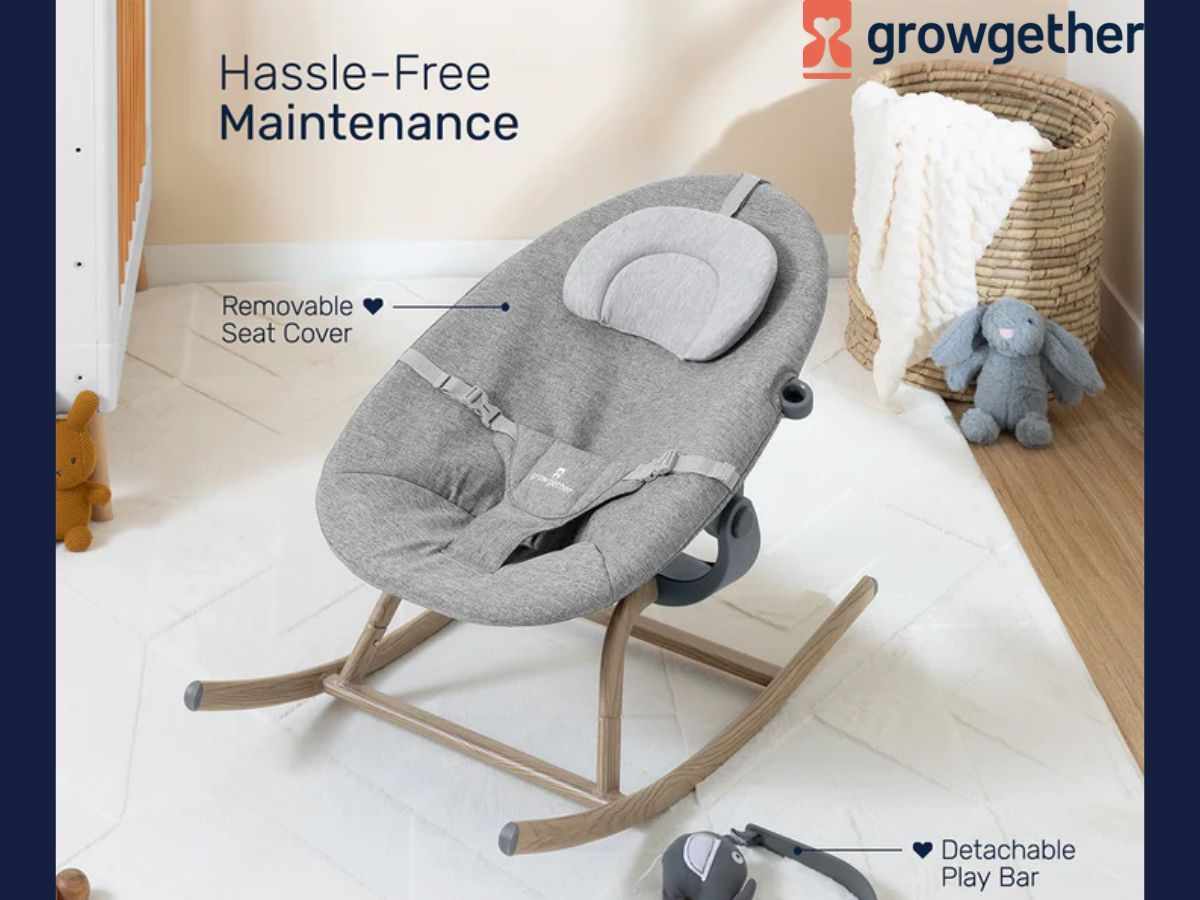
A rocker usually has a curved base that gently rocks back and forth.
Rockers may work manually (with subtle push) or sometimes offer light vibration or gentle motion.
They tend to be compact, lightweight, and easy to move around the house.
What is a Baby Swing
A swing usually suspends the baby’s seat and moves it in a larger swinging motion — side‑to‑side or front‑to‑back.
Many swings are powered (battery or electric), and offer adjustable swing speeds, built‑in music or vibration for soothing.
Because of their frame and suspension, they tend to be bulkier and less portable than rockers.
Which One Works Better: Baby Rocker or Baby Swing?
Here’s a breakdown of when a rocker or swing might be better — depending on your baby’s age, home setup, and your needs.
When a Baby Rocker Is a Great Choice
Gentle Motion for Newborns and Early Months
Rockers give a soft, womb-like rocking motion that many infants accept easily.
The gentle motion can help calm fussiness and support naps or short rests.
Portable and Easy to Move Around
Rockers are light and compact — you can carry them from kitchen to living room to bedroom.
Useful if you live in a small apartment or want baby nearby while you do chores or cook.
Simple, Quiet, and No Battery Dependence
Many rockers don’t rely on electricity — no buzzing motors, no battery changes.
Easy to use anywhere, anytime — power cuts or no power source are not a worry.
Good for Early Development and Sensory Experience
Studies show seated products like rockers help infants activate muscles more than lying flat.
Rockers sometimes include toys or gentle movement which help build baby’s sensory awareness.
When a Baby Swing May Be Better
More Motion and Automated Comfort
Swings often offer adjustable swing speeds, vibration, music — useful if baby needs stronger soothing.
If your baby is very fussy or colicky, such rhythmic motion might help calm them.
Longer Use Span (Up to a Limit)
Many swings take babies till ~9–12 months, depending on weight limit.
Good for families who want a “set and go” solution — just switch it on, seat the baby, and let it swing gently.
Less Physical Effort for Parents
Rockers need nudging or some effort; swings handle the movement automatically.
For working parents or busy schedules, a swing can give hands‑free comfort.
What Should Parents Watch Out For?
Weight, Age & Safety Limits
Many rockers and swings have a weight limit of around 9–13 kg. Exceeding that can tilt the seat or make it unsafe.
Rockers and swings are usually recommended until baby can sit unaided (~5–7 months) or until they outgrow the weight limit.
Not for Long Sleep or Unattended Use
These are not cribs — prolonged sleep or unsupervised naps in a rocker/swing are not safe.
Always keep a watchful eye, use harnesses properly, place on flat floor (not bed or sofa).
Overuse Can Limit Baby’s Motor Growth
If baby stays too long in seated devices, they miss opportunities to move, stretch legs, and practise rolling or crawling.
How to Decide: Step-by-Step Guide for Parents
Use this simple checklist when deciding between a rocker or swing:
Check baby’s age and weight. If under ~6 months or light weight — rocker works. If older and nearing weight limit, reconsider.
Think about your space. Small home or travel often — rocker’s portability wins. Big living room and stable power — swing is okay.
Observe baby’s temperament. Fussy or colic-prone — swing’s stronger motion or vibration may help. Calm babies — gentle rocker may suffice.
Plan for use time. Short naps or seat‑down time: rocker. Long calming sessions: swing, but under supervision.
Safety first. Use harness, keep on floor, supervise — never treat as crib.
My Take (with Real Advice)
From 20 years of working with parents and baby gear, I find this pattern:
For first 3–6 months, a rocker is often enough. It’s simple, gentle, and gives parents flexibility.
Once baby becomes slightly older (around 6–9 months), a swing can be a helpful extra — but only if you monitor use.
No gear can replace baby‑parent interaction: rocking in arms, tummy time, gentle play — essential for growth.
In many homes, a combo works well: use a rocker for daily chores or quick naps, and swing for fussier times or longer soothing.
Recommended Option: Growgether Newborn Baby Rocker
If you prefer a reliable rocker for early months, check out Growgether Newborn Baby Rocker.
Why it fits well:
Lightweight, easy to move around the house — great for small flats in India.
Gentle rocking helps calm fussiness and supports nap times.
Easy to carry with you — living room, kitchen, balcony.
For parents of newborns or infants up to ~6 months, this rocker offers a simple, safe, and effective way to soothe your baby while you manage daily tasks.
Final Thoughts
Both baby rockers and baby swings can be useful tools — but there’s no single “best” choice for all. It depends on your baby’s age, your home space, how you plan to use it, and how you balance comfort with safety.
For early months and everyday use, a simple rocker — like the one from Growgether — often serves well. As baby grows older and needs stronger soothing, a swing may help.
Always keep safety in mind: use proper harness, supervise your baby, and don’t treat these as substitutes for cribs or playtime.
Choose what makes feeding, calming, and caring easier — while keeping baby safe and comfortable.
FAQ — Common Questions Parents Ask
Q: Which is better for a newborn — rocker or swing?
A: For newborns to ~5–6 months, a rocker is usually better. It gives gentle motion, is lightweight, and easier to monitor.
Q: Can I let my baby sleep in a swing or rocker overnight?
A: No — experts advise against using swings/rockers as a sleeping place. Always transfer baby to proper crib or bassinet.
Q: Up to what age or weight can I use a baby swing or rocker?
A: Most rockers/swings are safe till around 9–12 months or up to 9–13 kg, depending on model.
Q: What if my baby hates swing or rocker?
A: Babies have individual preferences. If your baby doesn’t like it — try gentle rocking in arms, or look for different motion type (side‑to‑side vs. rocking), or try again later.
Q: Is it okay to use a swing every day?
A: Short, supervised sessions are fine. Avoid overuse — baby needs free movement, tummy time, and regular interaction.




Write a comment ...